
2026-08-20 · Carlos Mendoza
Groundwater and King Tide Flooding Risks Along St. Petersburg Shorelines
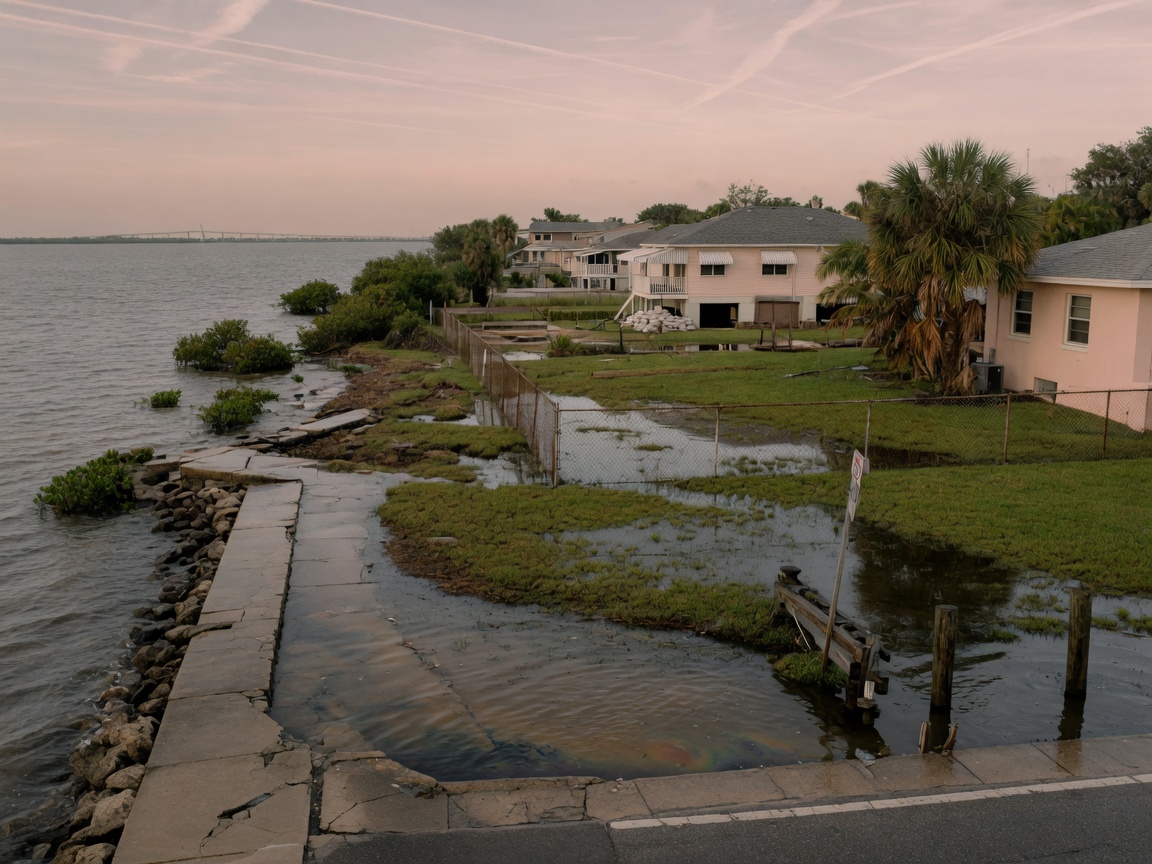
King tides combined with elevated groundwater levels regularly push water into crawl spaces and yards along St. Petersburg shorelines, especially in neighborhoods near downtown and Gulfport where the water table sits close to the surface. These events occur most often during fall and new moon cycles when tidal forces peak, forcing property owners to address moisture before mold or structural weakening develops.
How King Tides Interact with Local Groundwater
King tides raise coastal water levels without storm activity, allowing saltwater to press against the shallow aquifer that underlies much of Pinellas County. In St. Petersburg, this pressure forces groundwater upward through sandy soils common in older neighborhoods built before modern fill standards. Homes constructed on slabs or with crawl spaces built in the 1950s through 1970s often lack the vapor barriers now required, so moisture migrates directly into framing and insulation. Property owners notice musty odors first in utility rooms or closets closest to the shoreline. Repeated cycles also corrode metal straps and fasteners that secure floor joists, shortening the time before repairs become necessary. Monitoring tide charts published by the National Oceanic and Atmospheric Administration gives residents advance notice of when to inspect sump pits and exterior grading.
Specific Risks in Low-Lying St. Petersburg Neighborhoods
Low-lying blocks near downtown St. Petersburg and extending into Gulfport experience the strongest effects because streets sit only a few feet above mean high water. During king tide events, water can back up through storm drains and emerge in yards, then seep laterally under foundations. Older concrete block homes common in these areas have porous block that wicks moisture upward, creating visible efflorescence on interior walls. Crawl spaces without proper ventilation trap humidity, raising indoor relative humidity above 60 percent and encouraging mold on subfloor plywood. Residents in Kenneth City and Pinellas Park report similar issues when groundwater migrates inland from the bay. Checking for standing water after each high-tide cycle and documenting conditions with dated photos supports later insurance discussions if damage extends beyond routine maintenance.
Practical Steps for Property Protection
Homeowners can reduce intrusion by ensuring downspouts discharge at least six feet from the foundation and by regrading soil so it slopes away from the structure. Installing or upgrading a sump pump with battery backup handles groundwater that enters below grade before it reaches finished flooring. Sealing crawl space vents and adding a sealed vapor barrier limits humidity exchange with outside air during high-tide periods. When seepage has already occurred, prompt removal of affected insulation and drying of framing prevents secondary mold growth that can spread through HVAC systems. Drying crawl spaces after groundwater seepage outlines equipment placement and moisture monitoring techniques that match conditions found in St. Petersburg soil profiles. Scheduling annual inspections of French drains and exterior waterproofing membranes before peak king tide season catches small failures while they remain inexpensive to correct.
When to Engage Professional Water Damage Restoration
Persistent dampness that returns within days of pumping or dehumidification indicates an ongoing connection to the water table rather than a one-time leak. In these cases, flood damage cleanup crews use moisture meters to map hidden saturation in subfloors and wall cavities before demolition begins. Technicians then apply negative air machines and desiccants sized for the square footage, targeting interior humidity below 50 percent within 48 hours. Handling flooding in low-lying neighborhoods near downtown St. Petersburg describes how local crews stage equipment on higher ground when streets flood, avoiding delays that allow mold colonies to establish. Owners who document every step with photos and written logs maintain stronger positions when filing claims for recurring tidal events. Best Standard Restoration operates 24 hours from its location at 4604 49th Street N, Suite 1614, St. Petersburg, FL 33709 and can respond the same day when groundwater breaches exceed homeowner equipment capacity.