
2026-08-20 · Carlos Mendoza
Preparing Your St. Petersburg Home for Hurricane Season Flooding
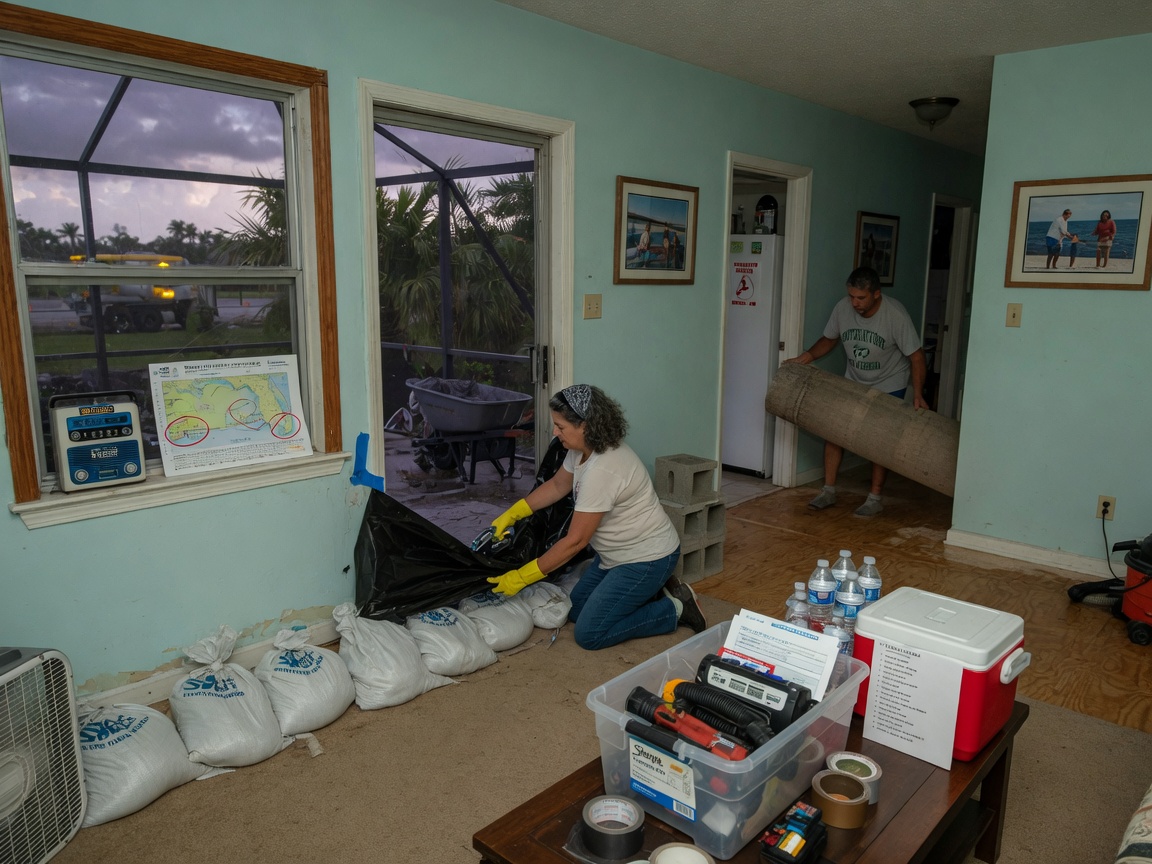
Hurricane season flooding in St. Petersburg often requires elevating valuables at least 2 feet above grade and sealing entry points on slab foundations common in neighborhoods like Kenneth City and Gulfport. These steps address the rapid water rise that occurs when Pinellas County storm drains overflow during 4–6 inches of rain in under an hour.
Evaluate Drainage Around Your Foundation
St. Petersburg properties built before 1980 frequently sit on low-lying lots where water pools against concrete slabs. Walk the perimeter after a heavy rain and note spots where water stands longer than 30 minutes. Regrade soil to slope 6 inches away from the house over the first 10 feet. Clean gutters and downspout extensions so water discharges at least 5 feet from the foundation. In areas like Pinellas Park, older clay soils hold moisture longer, increasing the chance of seepage through expansion joints. Check crawl spaces in Seminole homes for signs of prior intrusion before season starts.
Secure Openings Against Wind-Driven Rain
Windows and doors in St. Petersburg homes take direct hits from tropical storm winds that push water under sills. Install pre-cut plywood panels sized to each opening and store them with labeled hardware. Apply butyl tape around window frames where caulk has cracked from UV exposure. For sliding glass doors common in Largo and Clearwater, add a removable flood barrier that rises 12 inches above the threshold. These measures limit interior water entry during the 3–5 foot storm surges that affect waterfront blocks near Safety Harbor.
Protect Electrical and HVAC Systems
Elevate electrical panels and outlets to 24 inches above finished floor in flood-prone rooms. Move portable AC units and dehumidifiers to upper levels before storms. In Dunedin and Belleair homes with slab construction, mark shutoff locations for main water and power so they can be reached quickly. Disconnect sensitive equipment when forecasts show sustained winds over 40 mph. These steps prevent secondary damage that often costs more than the initial flooding itself.
Plan for Rapid Water Removal
Keep a submersible pump rated for at least 2,000 gallons per hour and test it monthly. Store sandbags or water-filled tubes sized for doorways. After water recedes, document every affected room with photos before any cleanup begins. Flood damage cleanup crews in the area often start with moisture mapping to locate hidden saturation in walls and floors. Emergency disaster restoration services can begin extraction within hours when homeowners have already cleared access routes.
Review Insurance and Next Steps
Review your policy for flood versus wind-driven rain coverage before June 1. Photograph every room and keep receipts for any pre-season improvements. Navigating insurance claims for storm-related water damage outlines the documentation that speeds approval in Pinellas County. Track local rainfall totals during storms so you can reference exact conditions when discussing what affects water damage restoration costs in Pinellas County. After the storm passes, focus first on removing standing water to limit mold growth that starts within 48 hours in Florida humidity.