
2026-08-20 · Carlos Mendoza
Common Water Damage Sources in Mid-Century St. Petersburg Homes
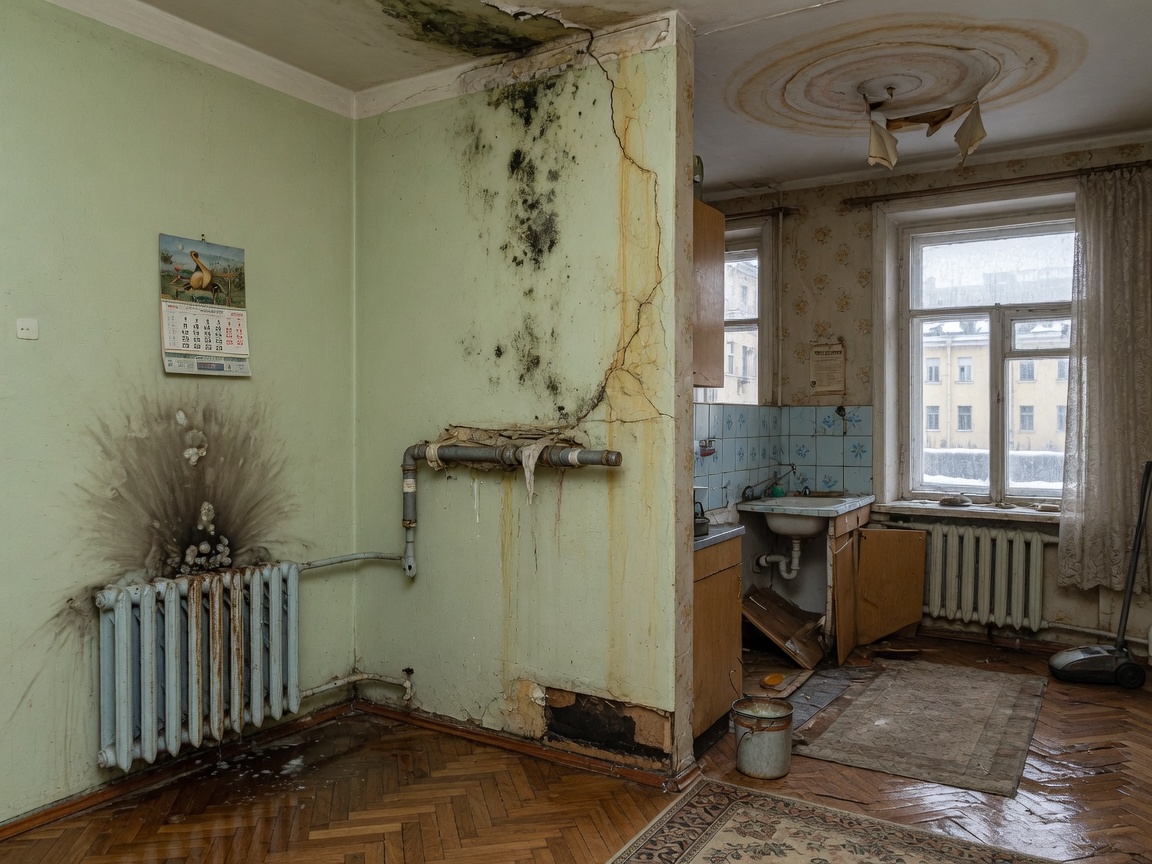
Mid-century St. Petersburg homes most often suffer water damage from corroded galvanized supply lines, flat-roof penetrations during afternoon thunderstorms, and slab leaks where the high water table meets 1950s-1970s concrete-block construction on grade.
Galvanized Pipe Corrosion
Homes built between 1955 and 1970 in areas such as Kenwood, Historic Kenwood, and near 49th Street North commonly contain galvanized steel pipes that begin to rust from the inside after 35 to 50 years. Mineral-rich municipal water accelerates pitting, creating pinhole leaks behind walls and under slabs. These leaks often go unnoticed until drywall stains appear or moisture readings exceed 20 percent. Replacement typically requires opening multiple access points, and the job becomes more complex when pipes run beneath terrazzo or original tile floors common in these properties. Property owners in Gulfport and Kenneth City report similar failures after seasonal temperature swings cause expansion and contraction. Early detection with moisture meters and infrared cameras prevents larger structural repairs later.
Flat Roof and Gutter Failures During Storms
Many mid-century St. Petersburg residences feature low-slope built-up roofs that collect pine needles and debris from nearby live oaks. When tropical storms or daily summer downpours exceed 2 inches per hour, scuppers and internal drains clog, allowing water to pond and seep through seams. How to Spot Hidden Water Damage After Tropical Storms details the tell-tale signs owners should watch for after each event. Gutterless designs on ranch-style homes direct sheet flow against stucco walls, saturating the base and wicking moisture into wood framing. Regular clearing of drains and installation of secondary overflow scuppers reduces these incidents, yet many homes in Pinellas Park and Largo still lack these upgrades.
Slab and Foundation Leaks
Sandy soils and a shallow water table in the Petersburg area allow groundwater to press against monolithic slabs when rainfall totals surpass 4 inches in 24 hours. Plumbing supply lines embedded in the slab corrode from both sides, producing steady moisture that migrates into carpet pads and baseboards. Typical Timeline for Water Extraction and Drying in Local Conditions explains why humidity levels above 70 percent extend drying times beyond the 3-to-5-day norm seen in drier climates. Cracks in the slab from settling also admit water during high-tide events that affect low-lying blocks near Tampa Bay. French drains and exterior grading improvements help, but many owners first notice the problem through musty odors or elevated indoor humidity readings.
HVAC Condensate and Appliance Sources
Mid-century homes frequently retain original ductwork and air handlers located in attics or closets where condensate lines clog with algae. A single blocked 3/4-inch line can release 5 to 10 gallons per day onto ceilings below. Washing machines and water heaters installed on concrete slabs without pans also contribute; 40- to 50-gallon tanks from that era often fail at the bottom seam after 12 to 15 years. Linking these failures to Preventing Mold After Water Intrusion in Florida Humidity helps owners understand the rapid growth window of 24 to 48 hours in local conditions. Regular line flushing and pan inspections catch most issues before drywall removal becomes necessary.