
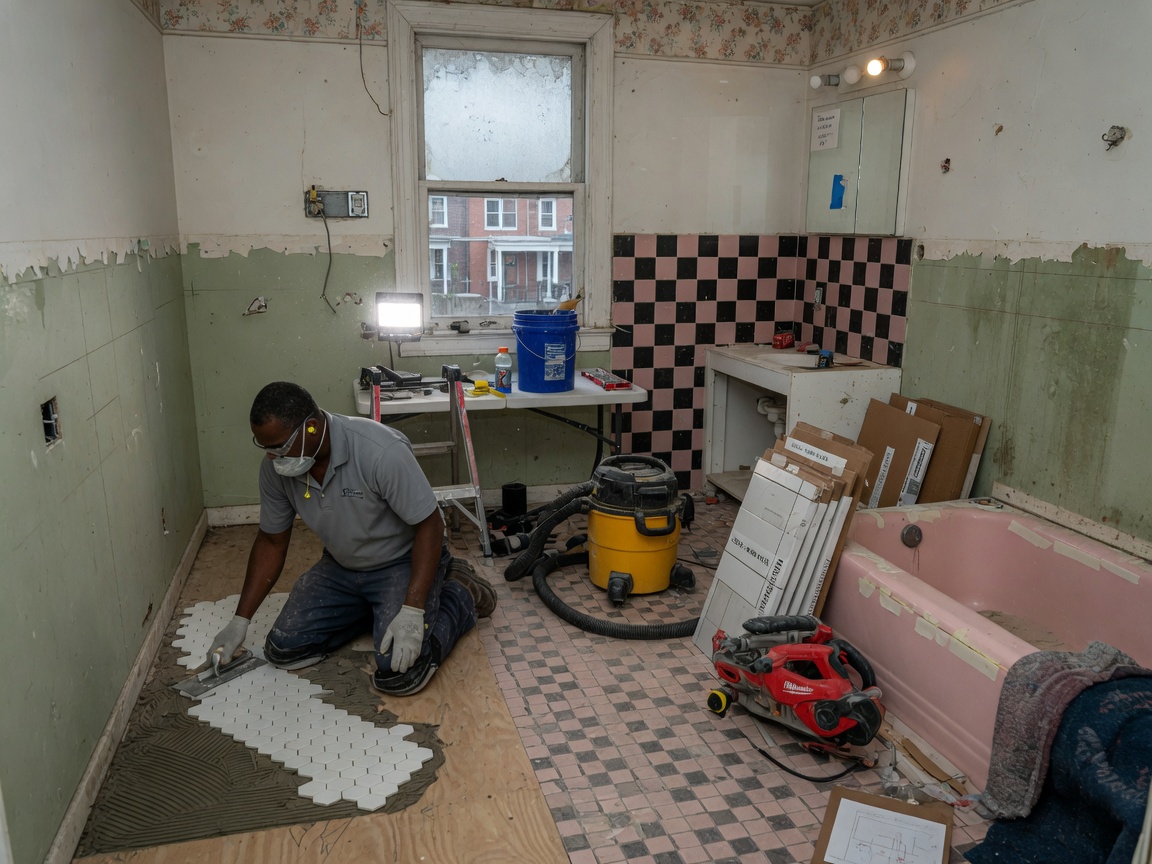
St. Petersburg homes built in the 1950s through 1970s often have cast iron or galvanized plumbing that corrodes over decades, leading to repeated leaks behind tile and under vanities. When water damage occurs, crews must remove saturated drywall and subflooring down to the joists, then treat for mold before any new finishes go in. High humidity in Pinellas County means drying times stretch longer than inland jobs, so dehumidifiers run for several days even after visible water is gone.
Many bathrooms in neighborhoods like Old Northeast and Kenwood sit on concrete slabs or crawlspaces that trap moisture after storms. Remodeling here requires checking for hidden rot in base plates and installing moisture barriers before new tile or vinyl plank flooring. Code updates in Florida now call for GFCI protection and proper ventilation fans vented to the exterior, changes that affect older homes during any full gut and rebuild.
Homeowners sometimes try to patch only the visible damage, but that leaves saturated insulation and framing that will cause recurring issues. Proper bathroom remodeling after water intrusion includes pulling toilets and vanities to inspect supply lines and drains, then replacing any compromised sections before new fixtures are set. This approach prevents future callbacks in the humid coastal climate.
Technician insight
In St. Petersburg's older neighborhoods like Kenwood, the thing that catches most people out with bathroom remodeling is hidden rot in the subfloor from years of slow leaks that never reached the slab, especially after the high humidity of summer storms keeps everything damp longer than expected.
Pipe burst behind tile in Kenwood home
A slow leak from an old supply line had saturated the wall and floor for months. Inspection showed mold on the studs and rotted subfloor joists. Crews removed the affected sections, treated for mold, replaced the plumbing, and rebuilt with new tile and moisture barriers.
Bathroom Remodeling Services We Offer
✓Shower Leak Repairs
Locate and fix leaks in shower pans or tile surrounds common in older St. Petersburg homes, then restore waterproofing before new finishes.
✓Vanity and Cabinet Replacement
Remove water-damaged vanities, inspect for mold on adjacent walls, and install new cabinets with proper sealing against humidity.
✓Tile and Grout Restoration
Replace cracked or moldy tile and regrout with mildew-resistant products suited to Pinellas County moisture levels.
✓Toilet Installation and Repair
Replace leaking toilets and wax rings, check flange condition, and ensure proper sealing to prevent future slab leaks.
✓Bathtub Refinishing and Replacement
Repair or replace tubs damaged by standing water, including surround work to match existing plumbing in 1960s-era homes.
✓Mold Remediation in Bathrooms
Contain and remove mold growth behind walls or under floors after water events, followed by antimicrobial treatment.
Bathroom Remodeling Cost in Petersburg, FL
| Service | Typical Range | What Affects It |
|---|---|---|
| Shower pan and tile repair | $1,800–$4,500 | Varies with pan replacement and tile selection |
| Full vanity and sink replacement | $900–$2,200 | Higher when electrical or plumbing reroutes needed |
| Toilet and flange repair | $350–$750 | Includes new wax ring and possible flange work |
| Mold remediation in bathroom | $1,200–$3,000 | Depends on square footage and containment needs |
Ranges are typical for Petersburg, FL and confirmed with an exact written quote before any work starts.
How it works
- 1
Initial Inspection
Technicians assess water source, affected materials, and hidden damage in walls and floors using moisture meters.
- 2
Water Extraction And Drying
Remove standing water and run drying equipment for several days to reach safe moisture levels in Pinellas County humidity.
- 3
Demolition And Mold Treatment
Strip damaged drywall, tile, and subflooring, then treat any mold before reconstruction begins.
- 4
Rebuild And Finish
Install new plumbing where needed, lay tile or flooring, set fixtures, and apply final finishes.
Pricing
Costs depend on the extent of hidden damage, material choices, and whether plumbing updates are required.