
2026-08-20 · Carlos Mendoza
Navigating Insurance Claims for Storm-Related Water Damage
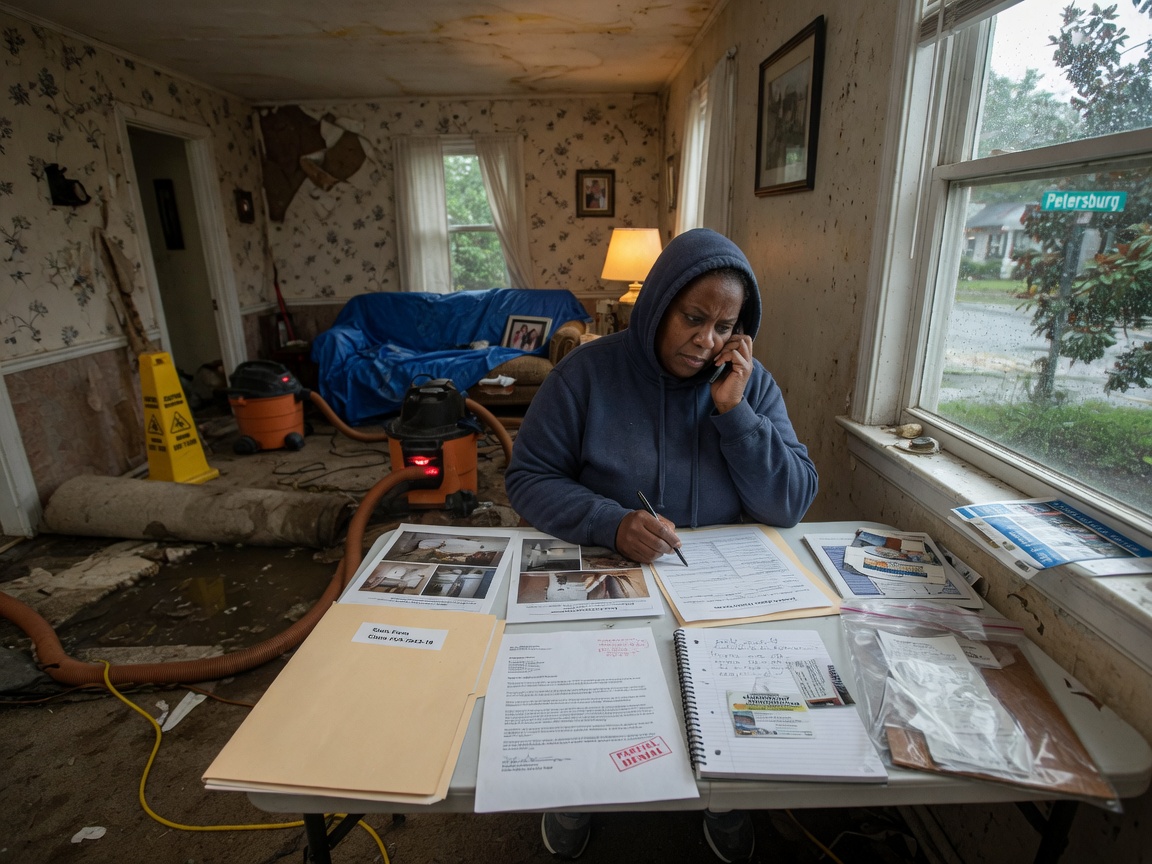
Storm water damage claims in St. Petersburg typically move from first notice to initial payment in 30–45 days when policyholders document every affected room with dated photos, moisture readings, and contractor estimates before the adjuster arrives. Delays occur most often in low-lying blocks of Gulfport and near downtown where repeated king-tide flooding blurs the line between storm surge and groundwater.
Documenting Damage Before the Adjuster Arrives
Homeowners in Pinellas Park and Kenneth City should start by photographing every room from two angles, including baseboards, electrical outlets, and HVAC returns. Record water depth with a tape measure and note the exact time the water entered. Keep a written log of odors, discoloration, and any soft spots that develop over the first 48 hours. These details matter because carriers often question whether damage stems from a single event or from ongoing moisture in older slab-on-grade homes common south of 49th Street. Store all images with timestamps and back them up off-site. If hidden water reaches subflooring, note the square footage and material type so the adjuster can match it against the policy’s dwelling coverage limits.
Working with Adjusters on Storm Surge Versus Wind-Driven Rain
Adjusters frequently classify water that enters through roof vents or windows as wind-driven rain covered under the dwelling portion, while water that rises from the street is labeled flood and requires separate NFIP coverage. In neighborhoods like Belleair and Safety Harbor, where many 1960s ranch homes sit on slightly elevated lots, the distinction hinges on the height of the water line inside the structure. Provide the adjuster with elevation certificates and photos showing water marks on interior walls. Request a written scope that lists every room and item; do not sign off until you compare it against your own moisture map. If the carrier disputes coverage for contents in a flooded garage, reference the exact policy language about appurtenant structures rather than accepting an oral denial.
Handling Supplemental Claims After Hidden Moisture Appears
Initial payments often cover only visible drywall and carpet, yet drywall in St. Petersburg’s humid climate can wick moisture 18–24 inches above the water line within a week. Schedule a follow-up inspection 10–14 days after drying equipment is removed. Submit a supplemental claim with new photos, a revised drying log from professional equipment, and an updated estimate that includes any mold growth discovered behind baseboards. Carriers in the Tampa Bay region have approved second payments ranging from $1,800 to $4,200 when homeowners supply daily humidity readings below 50 % and thermal images showing no residual moisture in wall cavities. Keep copies of every email and revised estimate; reference the original claim number on all new documents.
Coordinating with Local Restoration Teams During the Claims Process
When Water Damage Restoration crews arrive at properties in Largo or Seminole after a tropical storm, they can supply the moisture logs and equipment runtime records that adjusters accept as third-party verification. Ask the team to photograph the drying process daily and label each image with the address and date. This documentation supports requests for additional living expense coverage if the home remains uninhabitable. Homeowners near the shoreline should also review the related guide on How to Spot Hidden Water Damage After Tropical Storms before the adjuster’s second visit, as it details the exact locations where water travels behind stucco and under tile in local construction.