
2026-08-20 · Carlos Mendoza
Immediate Actions After Finding a Burst Pipe or Leak
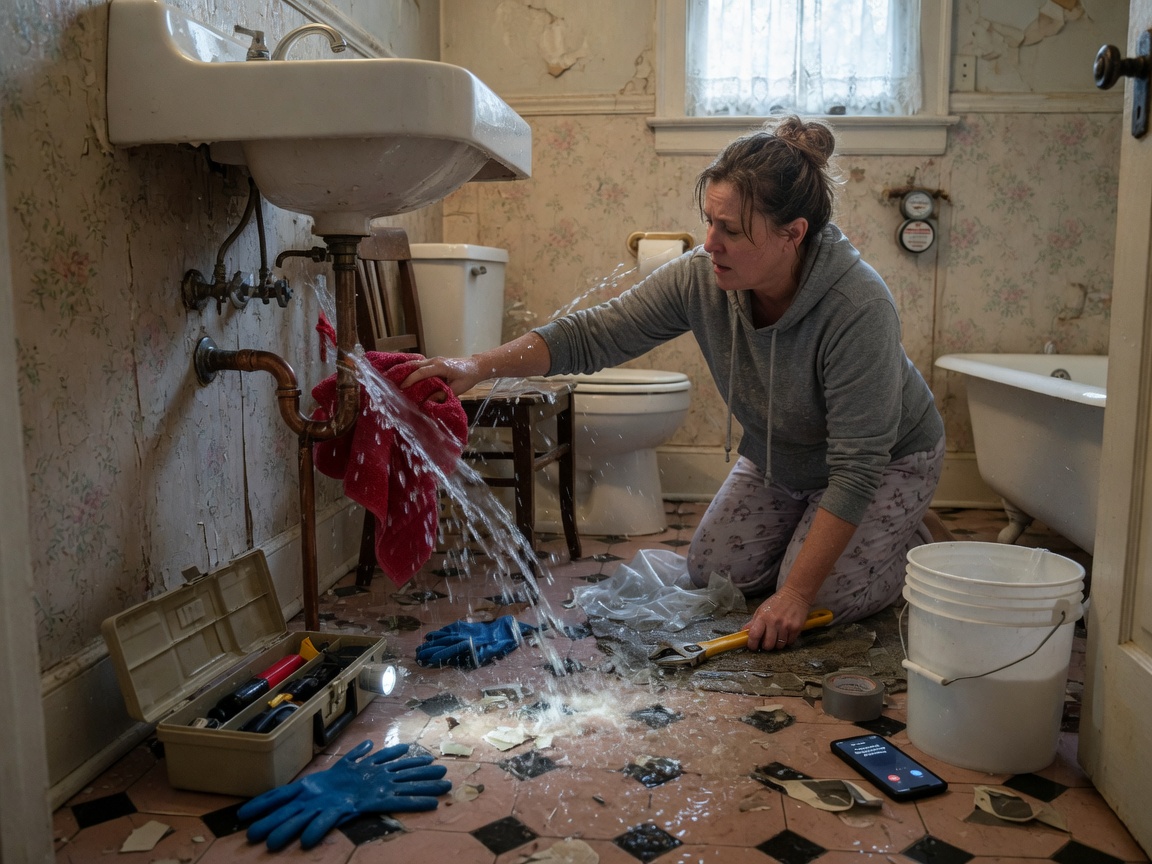
Shut off the main water valve at once when you discover a burst pipe or leak, which often stops the flow within seconds and prevents hundreds of gallons from escaping into walls and floors. In St. Petersburg's older housing stock built before 1970, galvanized pipes in neighborhoods like Gulfport and Kenneth City frequently corrode and fail during heavy summer rains. Document the scene with photos from multiple angles right after the valve is closed, noting water spread across concrete slabs or into crawl spaces typical of local single-story homes. Avoid using electrical outlets near standing water to reduce shock risk in these humid conditions.
Locate and Shut Off the Water Supply
Find the main shutoff valve near the water meter outside most St. Petersburg properties, often on the street side of the foundation in Pinellas County homes. Turn it clockwise until it stops, then open a nearby faucet to relieve pressure in the lines. Older homes in areas such as downtown St. Petersburg or near 49th Street N frequently have valves that stick from age and salt air exposure, so apply steady pressure rather than forcing them. If the valve fails to close fully, head to the street curb stop as a backup. This step limits secondary damage to drywall and flooring that absorbs moisture quickly in the region's high humidity. After shutting off supply, check under sinks and behind appliances where leaks often start in these mid-century builds. Emergency disaster restoration services become essential once water is contained, especially when leaks affect multiple rooms.
Document the Scene and Protect Belongings
Photograph every affected area before moving items, capturing water levels on floors and stains on baseboards common in St. Petersburg's flat terrain. Note the time of discovery and any visible pipe damage to support later claims. Move furniture, rugs, and electronics to dry zones away from the leak path, which often travels along slab foundations in local ranch-style homes. Lift wet carpet edges in living areas to allow airflow underneath, but leave heavy items in place if they risk further spreading moisture. In neighborhoods like Largo or Seminole, where homes sit close to groundwater, even small leaks can wick upward through concrete. Record serial numbers on appliances and take close-ups of any mold starting on wood trim. These records help track the full scope before humidity in the area accelerates growth.
Call for Professional Water Damage Restoration
Contact a local team experienced with St. Petersburg plumbing failures right after documentation, as delays allow moisture to reach insulation and subfloors in typical Pinellas County construction. Provide the exact location and describe the pipe type if known, since cast iron lines in older sections near downtown often burst under pressure. Technicians arrive with extraction equipment suited to the area's frequent afternoon thunderstorms that complicate drying. They assess hidden moisture behind walls using tools that read levels in materials common to 1950s-1970s homes. Follow up by reviewing your photos with them to prioritize high-risk zones like bathrooms where leaks travel fastest. Water damage restoration addresses the full drying process that homeowners cannot complete alone in humid conditions. For leaks tied to broader weather events, see how to spot hidden water damage after tropical storms to catch issues early in low-lying spots.